Infection control has become a central concern across healthcare facilities, laboratories, pharmaceutical manufacturing sites, commercial buildings and public spaces. While hygiene protocols, personal protective equipment (PPE) and surface disinfection often receive significant attention, Heating, Ventilation and Air Conditioning (HVAC) systems play an equally critical role in reducing the transmission of airborne pathogens and maintaining healthy indoor environments.
Understanding Airborne Infection Risks
Many infectious microorganisms including bacteria, viruses and fungal spores can be transmitted through airborne particles. When infected individuals cough, sneeze, talk or even breathe, they release aerosols that can remain suspended in the air for extended periods. In poorly ventilated spaces, these particles can accumulate and increase the risk of disease transmission.
HVAC systems serve as the first line of defence by controlling airflow, removing contaminants and maintaining environmental conditions that limit the survival and spread of pathogens.


Ventilation: Diluting and Removing Contaminants
One of the most important infection-control functions of an HVAC system is ventilation. Effective ventilation introduces fresh outdoor air into a building while exhausting stale indoor air containing potentially harmful microorganisms.
Higher air change rates help dilute airborne contaminants, reducing their concentration and lowering the likelihood of exposure. In healthcare settings, ventilation requirements are carefully designed for different spaces such as operating theatres, isolation rooms and intensive care units, where infection risks are particularly high.
The COVID-19 pandemic reinforced the importance of adequate ventilation, highlighting its role in reducing airborne transmission within occupied spaces.
- Meet legal compliance requirements
- Reduce energy usage and running costs
- Improve system performance
- Lower carbon emissions
Air Filtration and Particle Capture
Modern HVAC systems incorporate filtration technologies that remove airborne contaminants before air is recirculated. High-Efficiency Particulate Air (HEPA) filters are particularly effective, capturing at least 99.97% of particles measuring 0.3 microns in diameter and significantly reducing the presence of infectious aerosols.
The appropriate selection and maintenance of filters are essential. Poorly maintained filtration systems can compromise indoor air quality and reduce the effectiveness of infection-control strategies. Regular inspection, replacement schedules and performance monitoring ensure filtration systems continue to operate as intended.

Airflow Management and Pressure Control
The direction and movement of air within a building have a significant influence on infection control. HVAC engineers use pressure differentials to prevent contaminated air from travelling into clean areas. For example:
- Negative pressure rooms are designed to contain airborne infectious agents by ensuring air flows into the room but not out into surrounding spaces. These rooms are commonly used for patients with highly infectious respiratory illnesses.
- Positive pressure rooms protect vulnerable individuals and sterile environments by ensuring air flows outward, preventing contaminants from entering the space.
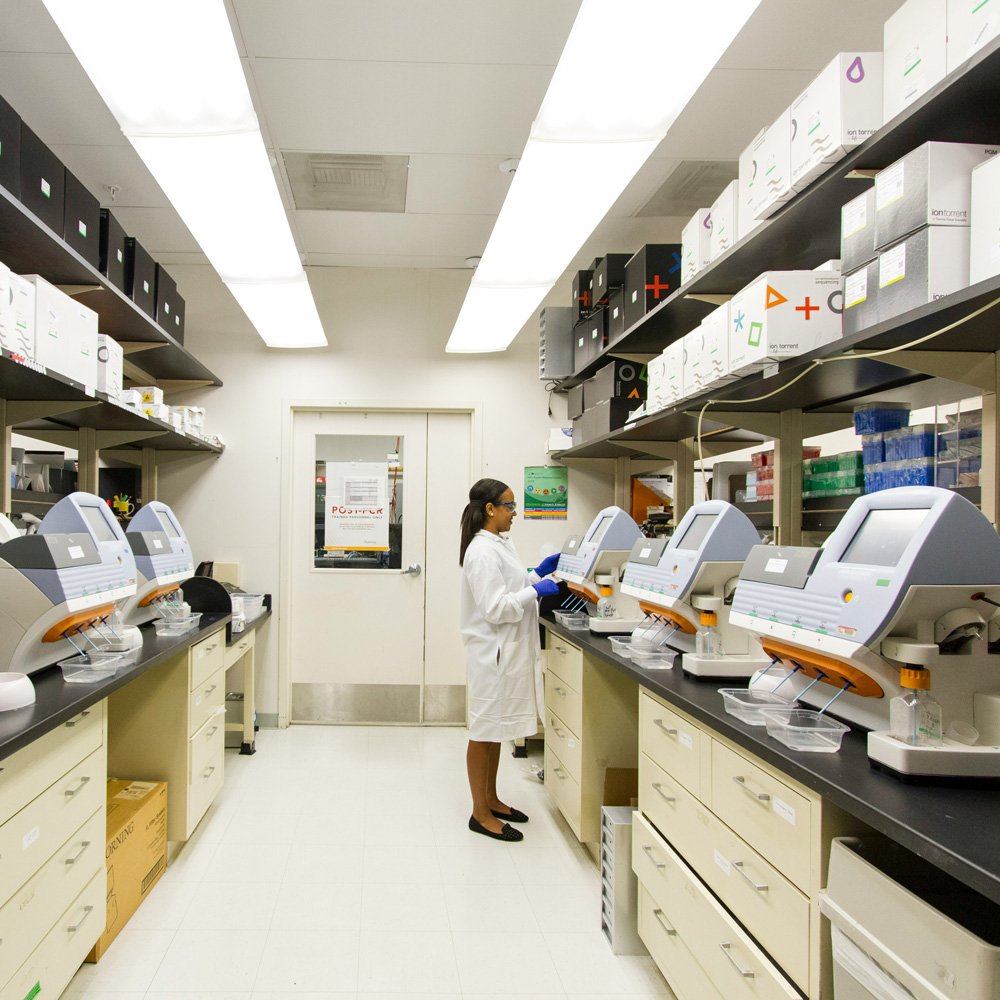
This controlled airflow is essential in hospitals, laboratories, pharmaceutical cleanrooms and other critical environments where airborne contamination can have serious consequences.
Humidity and Temperature Control
Environmental conditions directly affect both pathogen survival and human health. HVAC systems help maintain optimal temperature and relative humidity levels, creating conditions that can reduce microbial viability while enhancing occupant comfort.
Research has shown that excessively dry air can increase aerosol persistence and negatively affect the body’s natural respiratory defences. Conversely, very high humidity can encourage mould growth and other microbiological issues. Maintaining relative humidity within recommended ranges—typically between 40% and 60%—can contribute to improved infection control and occupant wellbeing.

The Importance of Maintenance
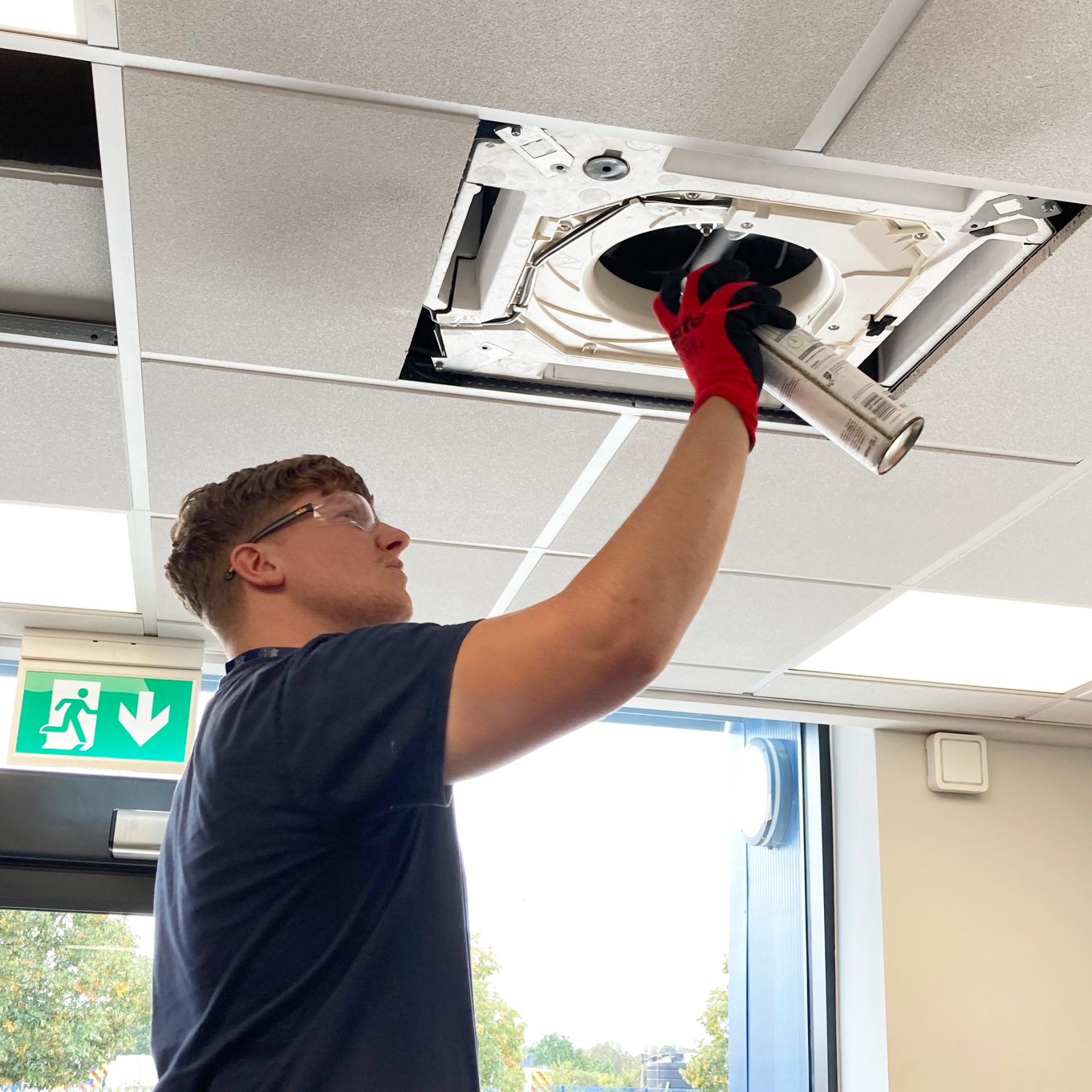
Even the most sophisticated HVAC system cannot provide effective infection control without proper maintenance. Filters, air handling units, ducts, dampers and control systems must be inspected and serviced regularly. A proactive maintenance programme can:
- Ensure ventilation rates remain compliant with design requirements.
- Prevent filter bypass and leakage.
- Maintain airflow balance and pressure relationships.
- Reduce microbial growth within HVAC components.
- Improve energy efficiency while sustaining indoor air quality.
Routine testing and validation are especially important in healthcare and regulated environments where occupant safety depends on consistent performance.
Looking Ahead: Smart HVAC for Healthier Buildings
The future of infection control is increasingly linked to intelligent building technologies. Smart HVAC systems can continuously monitor indoor air quality indicators such as carbon dioxide levels, particulate matter, temperature, humidity and occupancy patterns. Real-time data enables facility managers to optimise ventilation strategies and respond quickly to changing conditions.
As organisations place greater emphasis on health, resilience and sustainability, HVAC systems are evolving from simple comfort solutions into critical components of building safety and public health infrastructure.

Conclusion
HVAC systems are far more than mechanisms for heating and cooling buildings. They are vital tools in infection prevention, helping to control airborne transmission through effective ventilation, filtration, airflow management, humidity regulation and advanced air treatment technologies. When properly designed, maintained and operated, HVAC systems create safer indoor environments, protect vulnerable occupants and support broader infection-control strategies across healthcare, commercial and public settings.
For facilities seeking to reduce infection risks, investment in HVAC performance is no longer optional—it is an essential element of modern building management and occupant health protection.
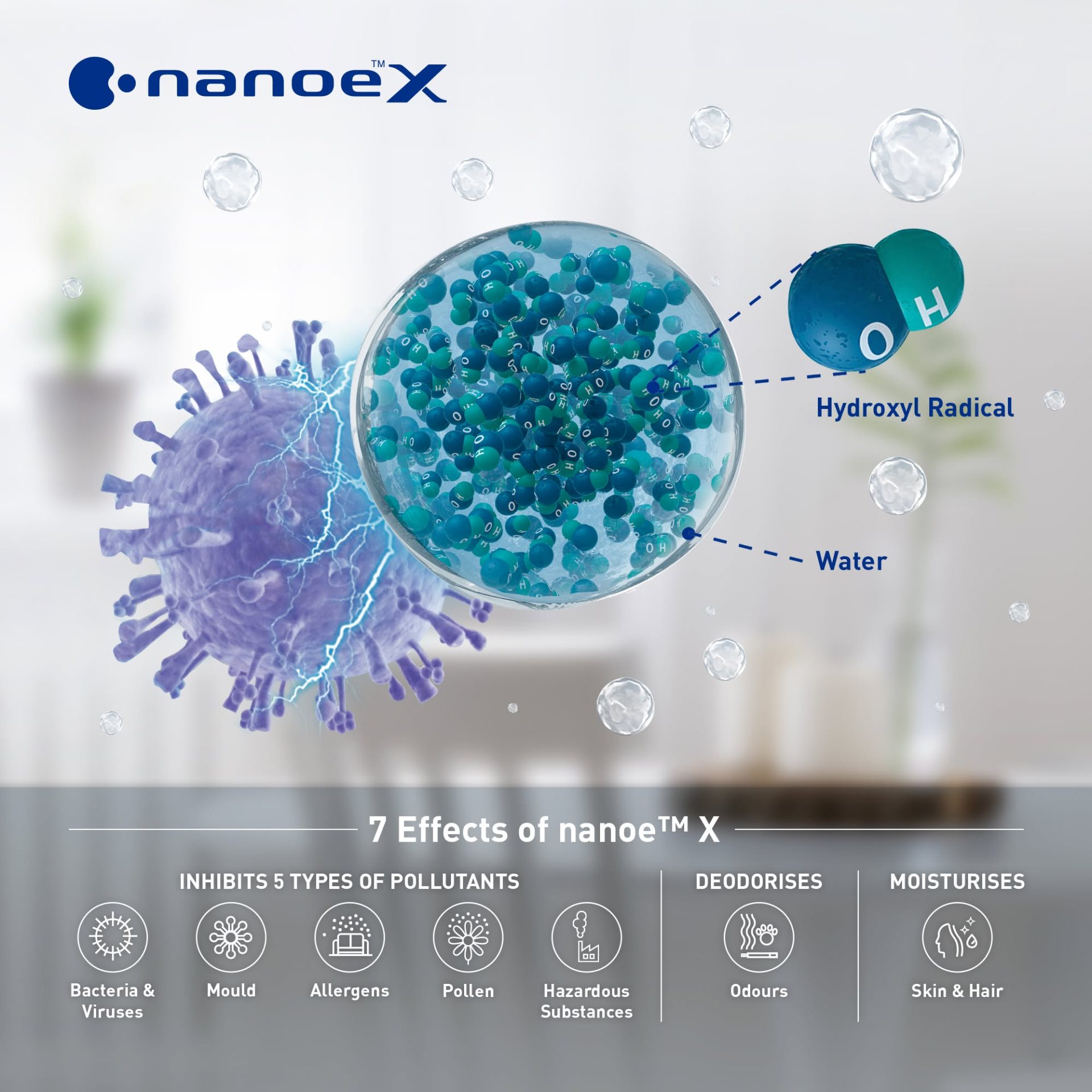
Emerging technologies such as Panasonic's nanoe™ X are also gaining attention as part of a holistic indoor air quality strategy.
Using hydroxyl radicals contained in water, nanoe™ X technology is designed to inhibit certain pollutants, allergens, odours and microorganisms in the air and on surfaces. While it should not be viewed as a replacement for established infection-control measures such as ventilation, filtration and regular cleaning, it can provide an additional layer of support in creating healthier indoor environments. As organisations increasingly focus on occupant wellbeing and air quality, technologies like nanoe™ X offer an innovative complement to modern HVAC systems.